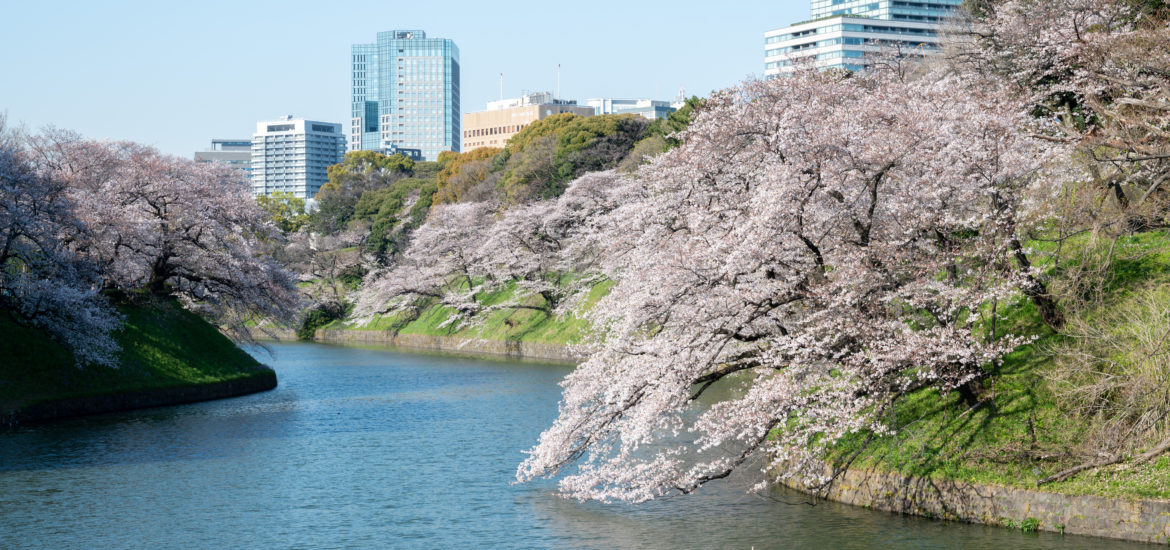
Through a series of coincidences, I arrived in Japan at the end of 2019. After joining the company in January 2020, I'm about to receive my third paycheck here. Since graduating from university, I went through military service and then joined as a new graduate hire, so it's been a while since I've written anything. Taking advantage of the extra free time from working from home due to the pandemic, I wanted to record my thoughts on my first job and my first experience working abroad. This post mainly covers my reflections on living in Japan for three months, including both work and leisure life after hours.
Contents
Why I Chose LINE Japan
Back in the first semester of my senior year, I happened to learn about an Infrastructure Engineer opening at LINE and was asked by someone in the community if I wanted to interview. At the time, I hadn't finished the process for converting to a full-time position at Google, so I thought it would be a good idea to interview just for the experience. You can refer to this post for the detailed interview process: LINE Tokyo Interview ExperienceTo my surprise, I passed the interview. I hesitated for a long time between this and an offer from Google in Changhua. In the end, even though I'd be able to save less money at LINE and would have to leave my original social circle, I chose to join LINE because of the job content and future career development potential.
Work Culture
The work culture at LINE isn't like the traditional Japanese companies I imagined—where you wear a suit every day, show extreme deference to superiors, or have to go drinking with the boss after work. Instead, it feels more like a foreign multinational company. Engineers don't need to wear suits or ties; colleagues come to work in casual clothes, and there's no pressure to go out drinking with managers after hours.
We have flexible working hours. Although we need to clock in, it's essentially a results-oriented system. Most colleagues arrive around 11 AM. If you have things to take care of at home, you can work from home, which offers a lot of freedom. However, there seem to be quite a few workaholics on my team; I sometimes see people submitting pull requests or replying to messages after hours. Personally, I usually don't handle work matters after clocking out unless it's an emergency.
Colleague Interaction
Communication between colleagues is primarily in English. After all, 7 out of the 13 people on our team are not Japanese, so there's no need to worry about not knowing the language. The biggest downside of not speaking Japanese is that it's harder to make small talk with Japanese colleagues, but I can still chat in Chinese with the Taiwanese and Chinese members of the team. Additionally, the company offers free Japanese, English, and Korean classes, which anyone interested can apply for.
Relationships between colleagues are quite harmonious. Everyone is very willing to answer questions and help find solutions. Sometimes, hearing a colleague's perspective leads to unexpected solutions.
Work Environment
The working environment at LINE is very comfortable; you can take a look atIntroduction to the LINE Fukuoka Work Environment, where there are some photos for reference; the Tokyo office looks pretty much the same. Everyone gets a large electric standing desk and a Herman Miller Aeron chair. Most people choose to request two 4K monitors. For laptops, you fill out a form before joining to choose from all MacBook models or Windows laptops, and you can also apply for additional equipment if needed.
The company provides free breakfast every day—usually standard rice balls and bread, with fruit once a week. However, if you don't get to the office by 10 AM, the breakfast is usually gone. For lunch, there are 500-yen bento boxes available. While the variety seemed large at first, the menu doesn't change very often, so you quickly cycle through all the options.
Job Responsibilities
The main development platform uses a combination of Git and GitHub Enterprise, so engineers familiar with GitHub should find it easy to get started. The workflow is similar to contributing to any GitHub repository: fork, clone, edit, commit, push, PR, and code review. Bug reporting is done via Jira, and documentation is primarily managed using Confluence.
Most of my working time is focused on development and code reviews, without too many meetings or administrative processes to handle. We have a short daily meeting to briefly discuss what we're working on, allowing team members to stay updated on each other's progress. Every two weeks, there's a longer Sprint meeting to review what was accomplished in the previous sprint, identify areas for improvement, and set goals for the next one.
Most projects in the company don't have rigid deadlines. Usually, the lead developer plans the milestones and estimated completion times. The advantage of not having intense time pressure is that you can spend more time on architectural planning rather than diving straight into coding as soon as you see the scope, which helps prevent the accumulation of technical debt.
Work From Home
Due to the pandemic, I spent about one month of these past three months working from home. For an engineer, as long as there's an internet connection, it doesn't really matter where you work; you can push code via VPN and join meetings on Zoom. However, working from home long-term still feels different. The most noticeable change for me is the lack of casual small talk with colleagues. Being home alone all day can get a bit dull. Additionally, without the change of environment from commuting, it's sometimes harder to switch into 'work mode,' since there's no distinction from where I usually relax.
Overall, while there are no technical hurdles to working from home long-term, there are still many aspects that require adjustment. Initially, work efficiency might drop slightly as you adapt to the new routine.
Life in Japan
I've visited Japan nearly 10 times in the past, but the experience of living here is completely different from just visiting. Of course, compared to living in Taiwan, life in Japan has its pros and cons. Here are some of the advantages and disadvantages I've noticed:
Pros:
- Public transportation is very convenient with stations everywhere; you generally don't need a car in the Tokyo metropolitan area.
- The cost of living isn't as high as I expected. Cooking for yourself is very affordable, and a takeout bento costs about 500-600 yen, though eating at restaurants can be more expensive.
- Waste sorting is strictly followed.
- The roads are very smooth.
- The air is fresh, and you won't see people smoking while walking or littering cigarette butts on the street.
Cons:
- Rent is expensive—very expensive, really expensive.
- Transportation is very expensive compared to Taiwan.
- They usually always provide a plastic bag when you buy something.
- The trains are really crowded during rush hour.
Conclusion
I'm very glad I chose to work at LINE Japan. I've learned many development-related skills and met many talented colleagues. Although living abroad alone comes with its challenges, I feel I've grown a lot over these three months. Finally, our team is still hiring; if you're interested, please check the Job Descriptions below and submit your resume.
Software Engineer / OpenStack / Private Cloud Platform
Software Engineer / Kubernetes / Private Cloud Platform
Copyright Notice: All articles on this blog are licensed under CC BY-NC-SA 4.0 unless otherwise specified.


Hi! I've been considering a job at LINE Japan recently, but I'm not sure if the environment and culture would be a good fit for me. Would it be possible to contact you privately to ask a few more questions? Thank you! : )
Hi (sorry for the double post, I'm not sure why my previous comment was flagged as spam),
My background is in marketing, and I recently saw a position I'm interested in on 104. I was wondering if an internal referral from you might increase my chances of getting an interview? I hope this isn't too forward. Thank you!